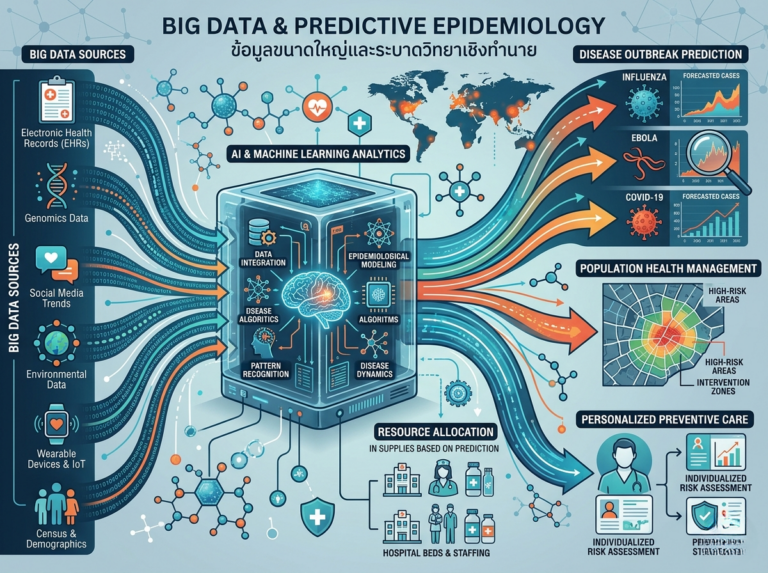



1. Artificial Intelligence
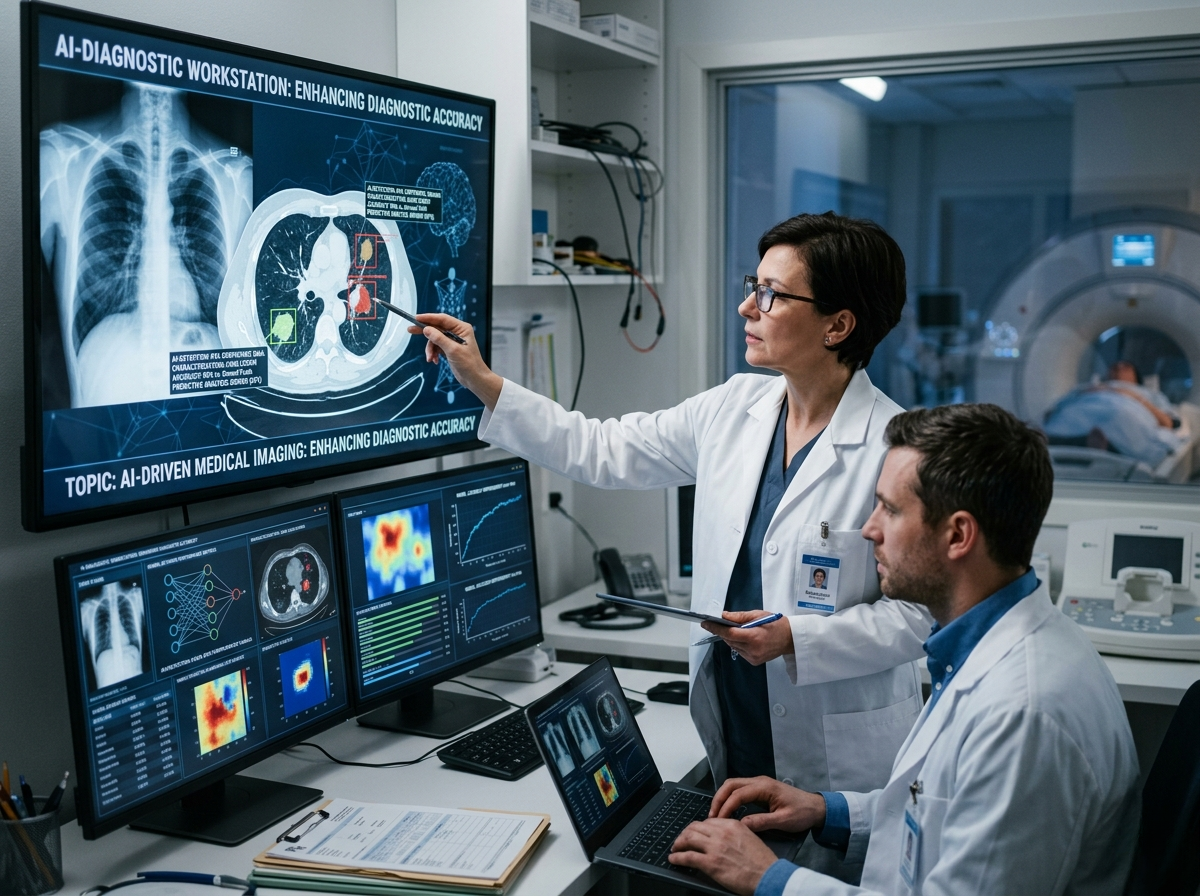
Artificial Intelligence is currently reshaping radiology and pathology, acting as a tireless second pair of eyes for diagnostic professionals. Deep learning algorithms trained on millions of medical images can now detect subtle anomalies in X-rays, MRIs, and CT scans that might be missed by the human eye due to fatigue or cognitive bias.
2. AI systems
These AI systems function as a force multiplier, quickly prioritizing urgent cases in the diagnostic queue and flagging potential pathologies for immediate expert review. By automating the measurement and segmentation of tumors or lesions, AI provides consistent, quantitative data that aids in monitoring disease progression over time.
Conclusion
This synergy between machine efficiency and clinical wisdom not only reduces diagnostic errors but also dramatically accelerates the time-to-treatment. As these tools become more deeply integrated into clinical workflows, they are enabling a faster, more accurate diagnostic process that is crucial for managing time-sensitive conditions like stroke or malignancy.