


1. Telemedicine
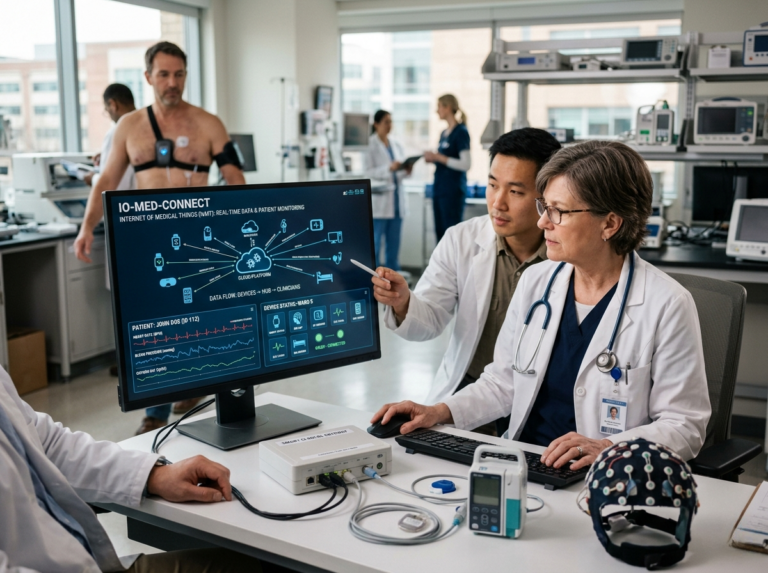
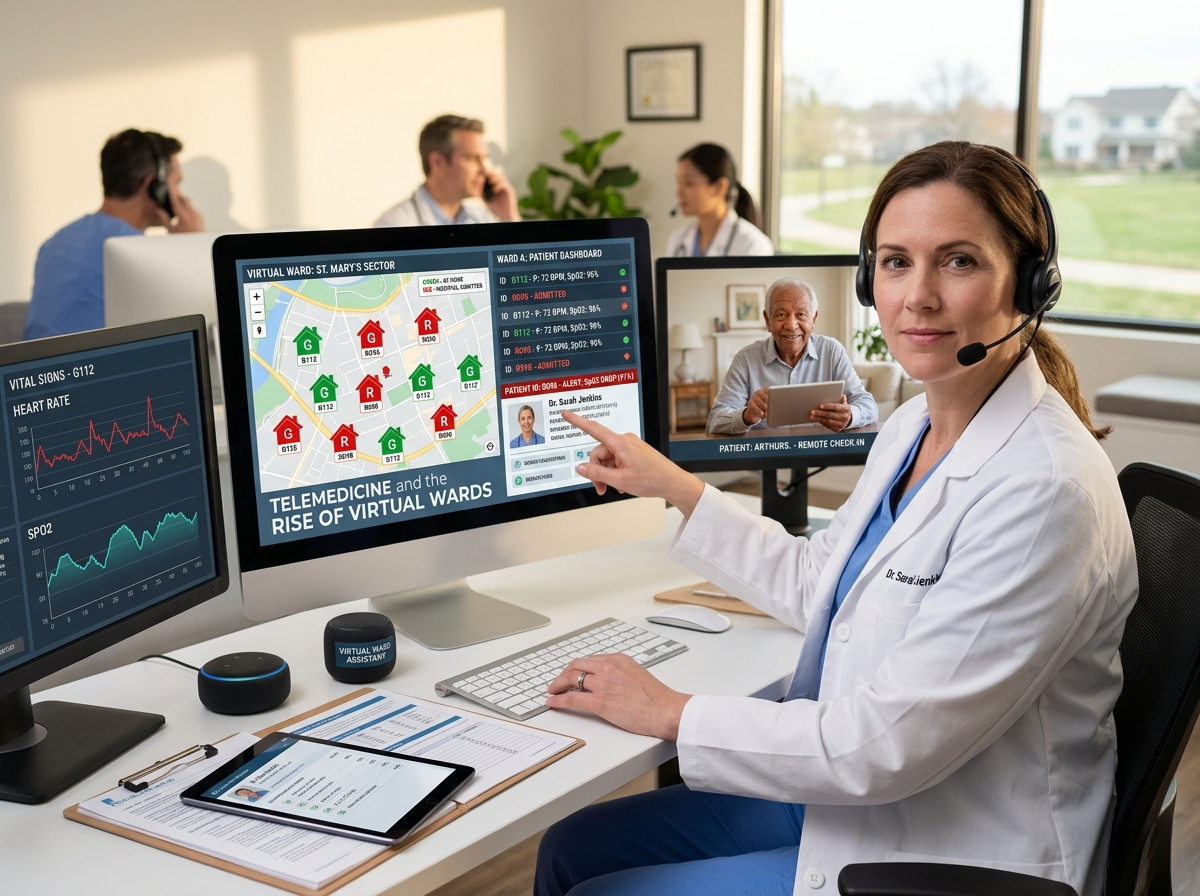
Telemedicine has evolved beyond simple video consultations, ushering in the era of “virtual wards” where clinical care is delivered directly to the patient’s home. Utilizing a combination of wearable biosensors and remote monitoring platforms, healthcare providers can track vital signs like blood pressure, oxygen saturation, and heart rate in real-time.
2. The continuous data stream
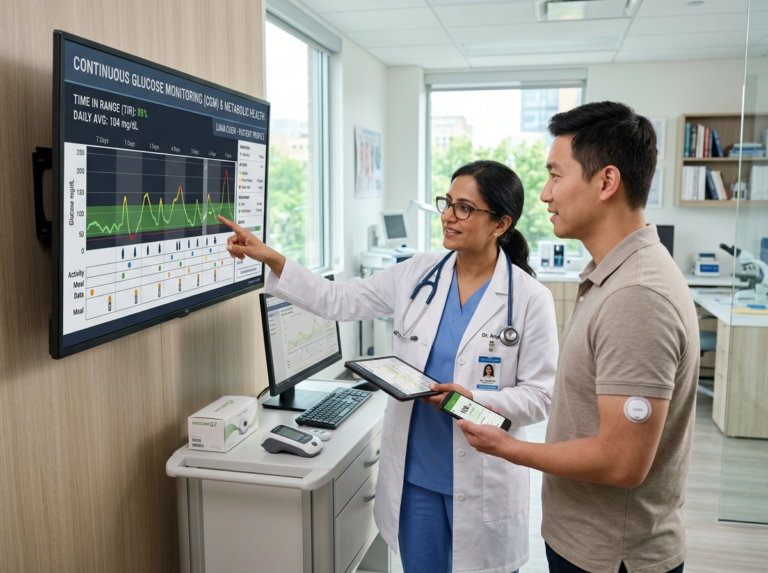
This continuous data stream alerts clinical teams to any deterioration instantly, allowing for early intervention before a patient requires an emergency admission. For patients with chronic conditions such as heart failure or COPD, this model provides the security of hospital-level monitoring while allowing them to recover in the comfort of their own environment.
Conclusion
It also effectively addresses geographical disparities, ensuring that those in remote or underserved areas have access to high-quality specialist care. By reducing the burden on physical hospital infrastructure, virtual wards are making the entire healthcare system more resilient, efficient, and patient-centered in the digital age.